Strait of Hormuz in Focus: Geopolitical Risk, Oil Flows, and Shipping Routes
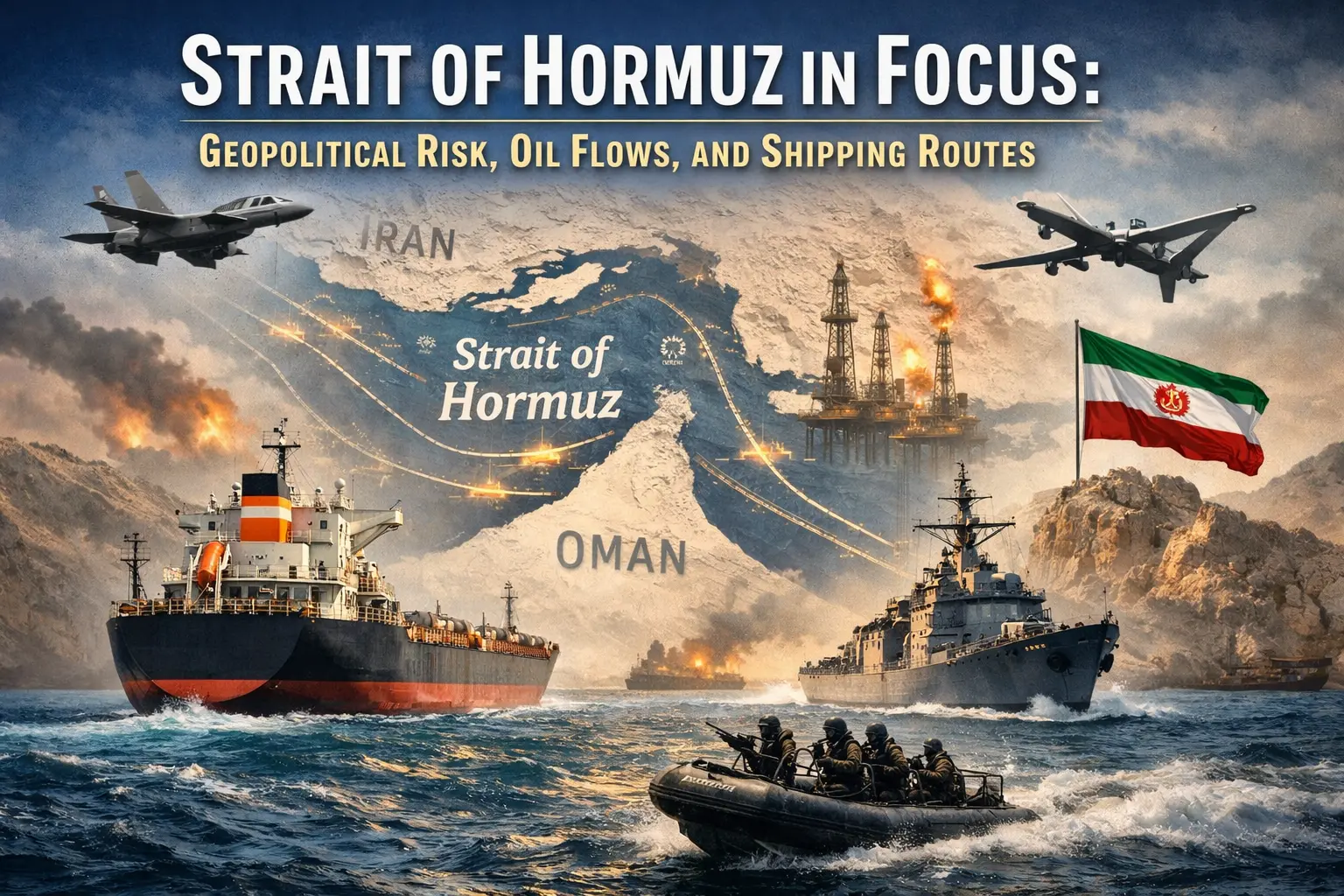
Explore the Strait of Hormuz, the world’s key oil chokepoint, and learn how geopolitical tensions affect oil flows and shipping routes.
Strait of Hormuz in Focus: Geopolitical Risk, Oil Flows, and Shipping Routes
The Strait of Hormuz remains one of the world’s most important and fragile maritime corridors, shaping global oil prices, shipping decisions, and geopolitical strategy. Its narrow waters connect the Persian Gulf to the Gulf of Oman, and recent disruptions have kept traders, governments, and shipowners on alert.
Why it matters
The Strait of Hormuz is widely regarded as the world’s most critical oil chokepoint because enormous volumes of crude and petroleum liquids pass through it every day. The U.S. Energy Information Administration says the strait handled about 21 million barrels per day in 2022, roughly 21% of global petroleum liquids consumption.
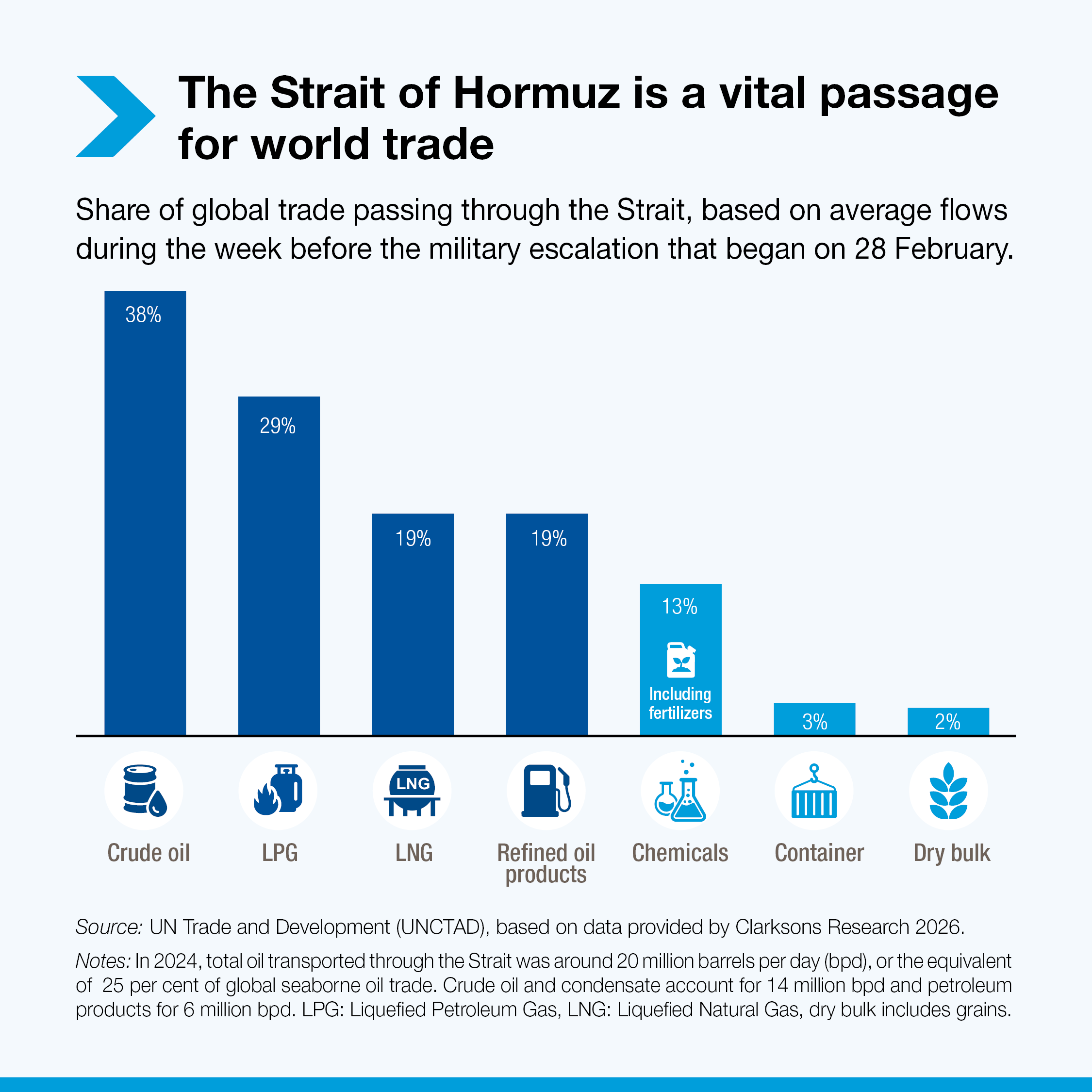
That scale makes the waterway central not just to Middle East exports, but to the wider global energy system. When traffic slows, the effects can spread quickly through oil markets, freight rates, and fuel costs.
Geopolitical risk
The Strait sits at the centre of regional power tensions, especially when conflict raises fears of disruption or closure. Recent reporting shows that war and instability in the region have already reshaped shipping patterns, with some carriers rerouting to reduce exposure.
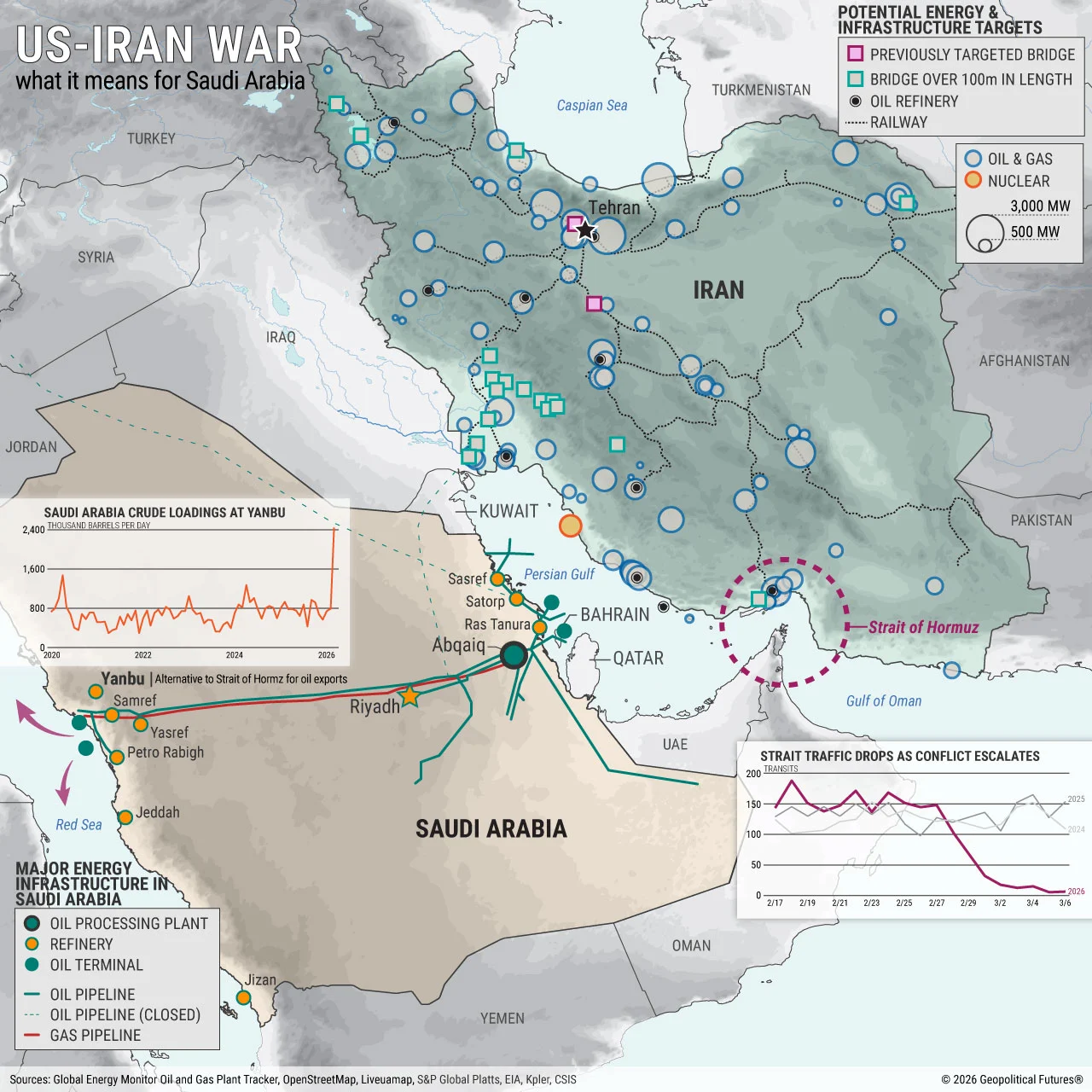
Analysts continue to treat Hormuz as a live geopolitical risk because even limited interference can create a market shock. Bloomberg reported that tanker traffic and oil flows have shown volatility, with vessel-tracking data pointing to changing patterns as ships adjust to the security environment.
Oil flows
The Strait of Hormuz is more than a strategic symbol; it is a major energy artery. The Strauss Centre estimates that around 17 million barrels per day transit the strait in tankers, while the Persian Gulf exports roughly 18.2 million barrels per day overall.
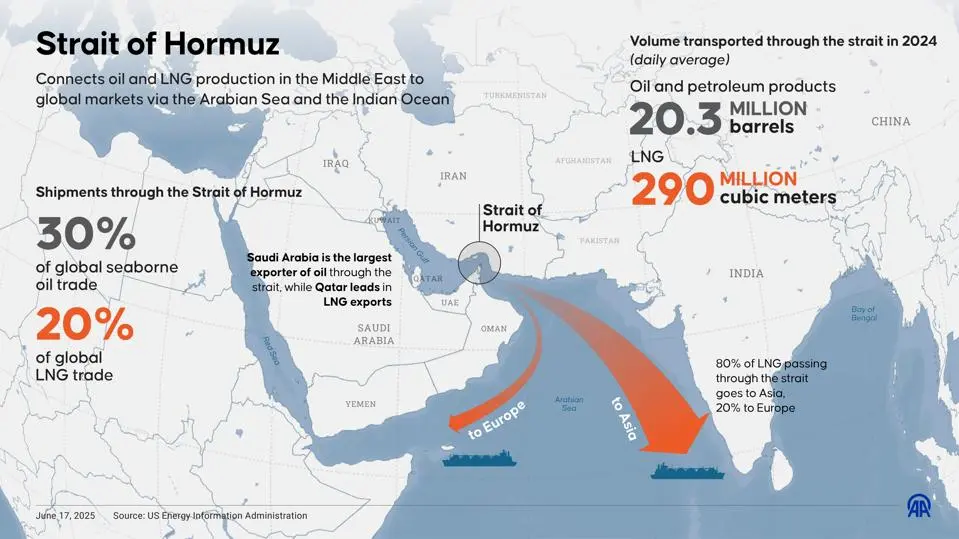
That means any slowdown can affect supply availability almost immediately. Reuters-style market coverage and energy reporting in 2026 also point to shifting flow levels and continued concern over whether disruptions are temporary or structural.
Shipping routes
The strait’s narrow geography forces vessels into tight navigation corridors, which makes routing and security especially important. Official maritime lanes have increasingly been avoided in times of tension, and some ships have moved closer to coastal or alternate routes to reduce risk.
This rerouting adds cost, time, and uncertainty to supply chains. In practice, that means companies may face longer voyages, higher insurance premiums, and delayed deliveries whenever the strait becomes unstable.
Global impact
The knock-on effects reach far beyond the Gulf. If traffic through Hormuz is disrupted, oil benchmarks can move sharply, LNG flows can be squeezed, and import-dependent economies face higher energy bills.
For countries like India and major Asian consumers, the stakes are especially high because their energy security depends on open sea lanes and predictable freight movement. That is why the Strait of Hormuz is watched so closely in both security briefings and commodity markets.