Did Pakistan Shelter Iranian Jets While Mediating with the U.S.? CBS Report vs. Islamabad’s Denial
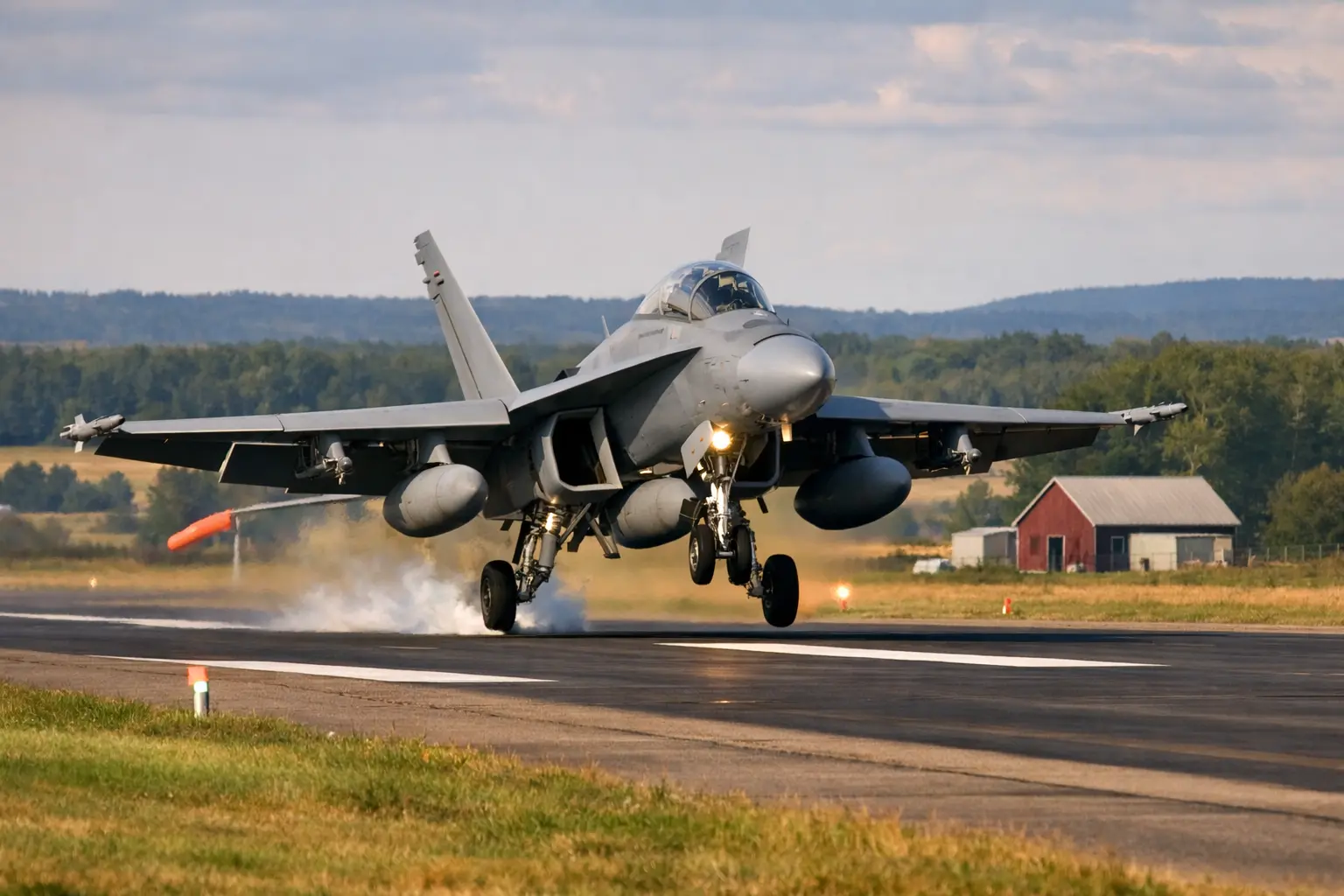
CBS News alleges Pakistan allowed Iranian military aircraft to park on its airfields, potentially shielding them from U.S. airstrikes. Pakistan denies the report, calling it misleading. Explore both sides.
Key Point Up Front
A CBS News report alleges that Pakistan quietly allowed Iranian military aircraft to park on its airfields, potentially shielding them from U.S. airstrikes, while publicly serving as a mediator between Washington and Tehran. Pakistan categorically denies this, calling the report “misleading and sensationalised” and saying the aircraft arrived during the ceasefire to support diplomatic and logistical needs for peace talks.
What CBS News Reports
CBS News, citing U.S. officials with knowledge of the matter, says:
Pakistan positioned itself as a diplomatic conduit between Tehran and Washington, while quietly allowing Iranian military aircraft to park on its airfields.
Days after President Trump announced a ceasefire with Iran in early April, Tehran sent multiple aircraft to Nur Khan Air Base near Rawalpindi.
Among the hardware was an Iranian Air Force RC-130, a reconnaissance variant of the C-130 Hercules.
U.S. officials say these movements may have insulated some of Iran’s remaining military and aviation assets from the expanding conflict, even as Pakistan publicly brokered de-escalation.
The report is based on anonymous U.S. officials, not public confirmation or confirmed intelligence.
Pakistan’s Official Denial
Pakistan’s Ministry of Foreign Affairs issued a strong rejection of the CBS report:
It calls the CBS report “misleading and sensationalised” and says speculative narratives appear aimed at undermining regional stability and peace.
MOFA says that after the ceasefire and during the Islamabad Talks, aircraft from Iran and the U.S. arrived to support diplomatic personnel, security teams, and administrative staff.
It states:
“The Iranian aircraft currently parked in Pakistan arrived during the ceasefire period and bear no linkage whatsoever to any military contingency or preservation arrangement.”
It adds that any assertion to the contrary is “speculative, misleading, and entirely detached from the factual context.”
A senior Pakistani official told CBS that Nur Khan is in the heart of the city, and a large fleet of foreign military aircraft cannot be hidden from public view.
Why This Matters
This case is important because:
Pakistan is seen as a key mediator between the U.S. and Iran, using its unique position to facilitate backchannel diplomacy.
If Pakistan were allegedly sheltering Iranian military aircraft, it could complicate its mediator role, provoke U.S. scrutiny, and strain trust on both sides.
The report has triggered geopolitical controversy, with some U.S. lawmakers warning that if the allegations are true, Washington may need to reassess Pakistan’s role in regional diplomacy.
What’s Still Unverified
At this stage:
The CBS report relies on anonymous U.S. officials, not public evidence.
Pakistan denies the allegations and insists the aircraft were there for diplomatic and logistical support.
No independent third party has confirmed whether the aircraft were sheltered, parked for diplomacy, or both.